
Swallowing
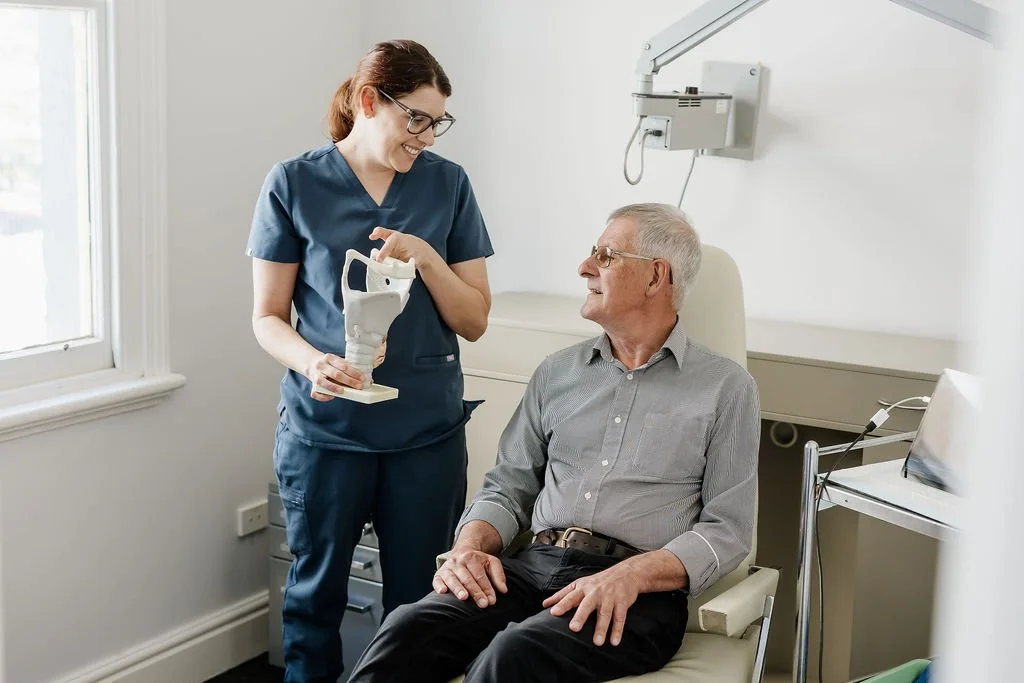
Swallowing Disorders
Swallowing is a complex process involving the coordinated action of the muscles and nerves of the mouth, throat and oesophagus. When this process is disrupted, swallowing can become difficult, uncomfortable or unsafe.
A swallowing disorder, also known as dysphagia, can affect nutrition, hydration, respiratory health and overall quality of life. It may also impact confidence, independence and enjoyment of eating and drinking with family and friends.
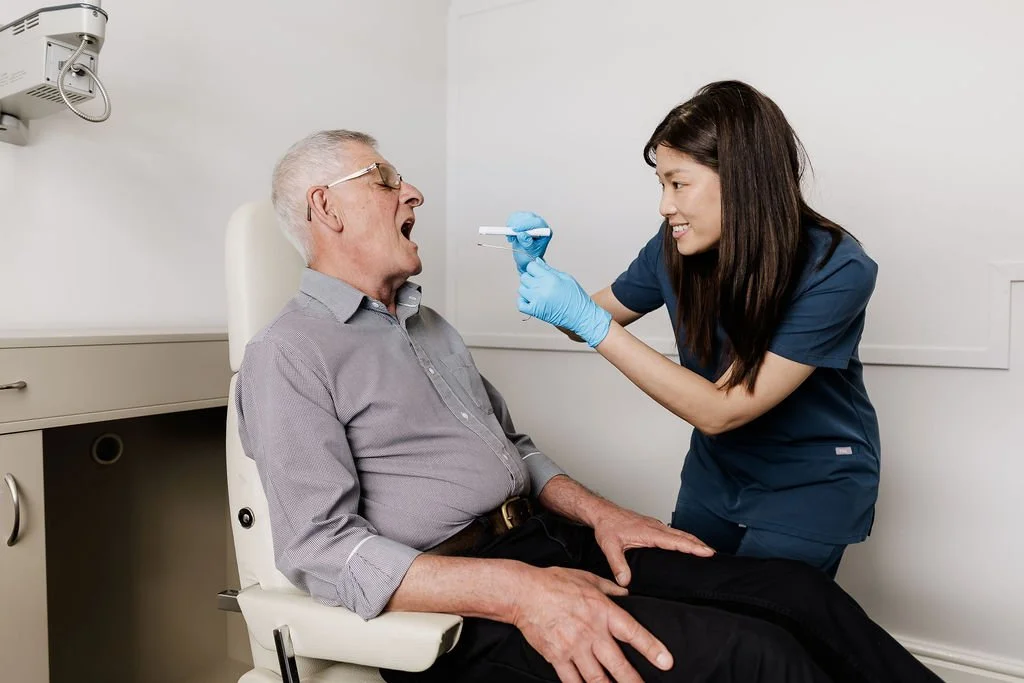
Symptoms of Dysphagia
Symptoms of dysphagia may include:
coughing or choking during meals
food, fluids or tablets sticking in the throat
difficulty managing certain food or fluid consistencies
prolonged mealtimes
recurrent chest infections
unexplained weight loss
a sensation of food not passing normally when swallowing
We provide comprehensive assessment and management for adults experiencing swallowing difficulties associated with neurological disorders, head and neck cancer, respiratory disease, surgery or medical treatment, age-related swallowing changes and other complex medical conditions.
Assessment and Management of Dysphagia
Understanding why swallowing is impaired is fundamental to providing effective management.
Assessment includes a comprehensive clinical evaluation, integrating your symptoms, medical history and clinical presentation. Where further information is required, we may recommend Fibreoptic Endoscopic Evaluation of Swallowing (FEES) or facilitate referral for a Videofluoroscopic Swallow Study (VFSS).
These instrumental assessments provide valuable information about swallowing physiology that cannot always be determined through clinical assessment alone. By directly visualising swallowing function, they help identify the underlying physiological cause of swallowing difficulties, guide diagnosis and support more accurate clinical decision-making.
Importantly, the findings from clinical and instrumental assessment guide the development of targeted rehabilitation, compensatory strategies and practical recommendations to improve swallowing function, safety and efficiency.
We work collaboratively with your treating specialists and healthcare team to ensure coordinated, evidence-informed care and comprehensive communication throughout your management.
Our aim is to optimise swallowing function while promoting safety, independence, participation and quality of life.
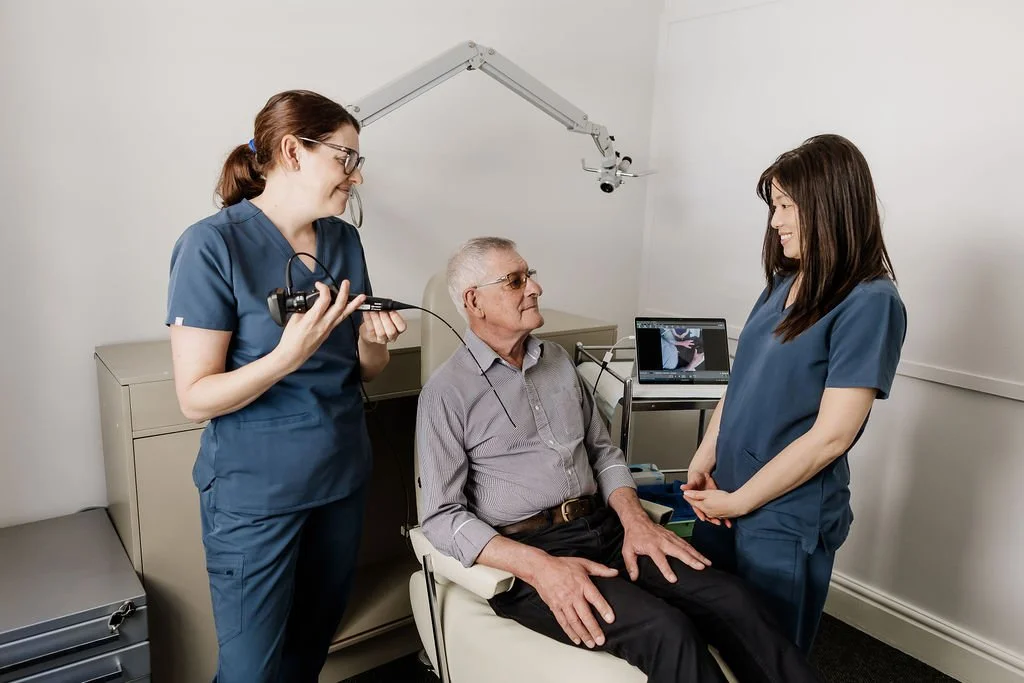
FEES – Fibreoptic Endoscopic Evaluation of Swallowing
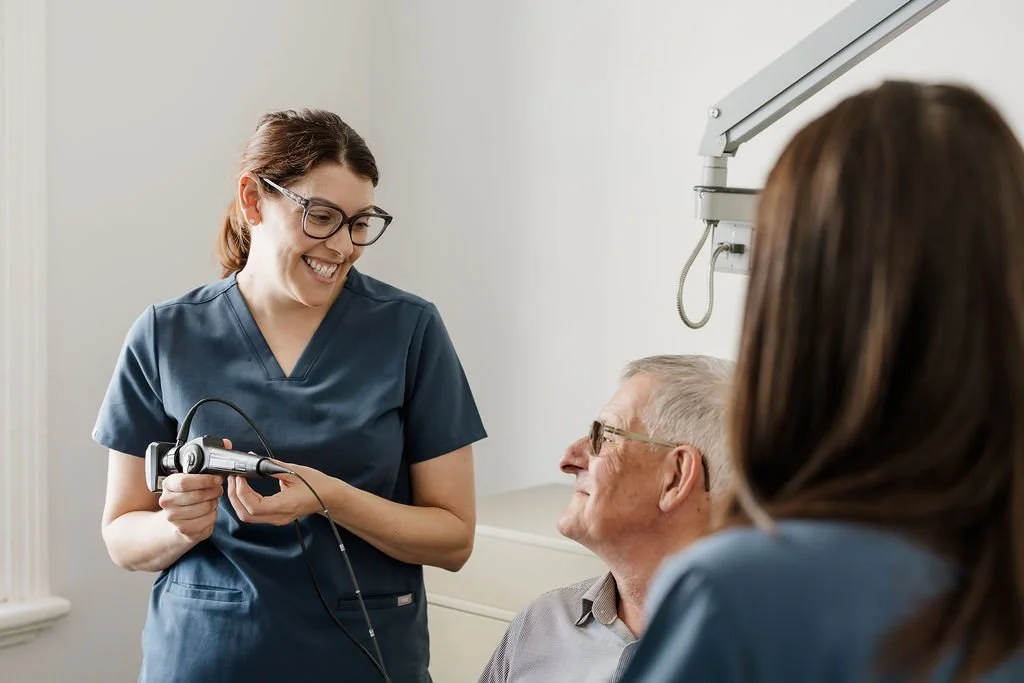
Fibreoptic Endoscopic Evaluation of Swallowing (FEES) is an instrumental assessment that allows us to observe your swallowing in real time while you eat and drink. A fine flexible camera is gently passed through the nose, providing a detailed view of your throat and voice box during swallowing.
Vocal Health is the first private speech pathology practice to introduce FEES in Western Australia and continues to provide this advanced assessment as an integral part of our adult swallowing service. FEES helps us understand why swallowing difficulties are occurring so that rehabilitation can be tailored to your individual needs.
-
A clinical swallowing assessment provides valuable information about your swallowing. Sometimes, however, a closer look is needed to understand exactly what is happening during the swallow and determine the most appropriate management.
FEES may be recommended if you experience:
coughing or choking when eating or drinking
food, fluids or tablets feeling like they get stuck in your throat
needing to swallow several times to clear food
a wet or gurgly sounding voice after eating or drinking
food or drink "going down the wrong way"
repeated chest infections that may be related to swallowing
unexplained weight loss or dehydration
swallowing difficulties following stroke, neurological conditions, surgery or cancer treatment
ongoing swallowing concerns where more detailed assessment is needed
-
FEES helps us better understand your swallowing by answering questions such as:
Why does food feel like it gets stuck in my throat?
Is food or drink entering my airway when I swallow?
Why do I cough when I eat or drink?
Why does my voice sound wet or gurgly after swallowing?
Which foods or drinks are easiest and safest for me to swallow?
Which swallowing strategies are most effective for me?
What type of swallowing rehabilitation is most likely to help?
-
FEES is more than a diagnostic assessment—it helps guide rehabilitation.
During the assessment, we can often trial different swallowing strategies, food and fluid consistencies, and rehabilitation techniques while observing their immediate effect. This allows us to identify the approaches that are most effective for you and develop an individualised rehabilitation programme based on objective assessment findings.
Our goal is to understand the underlying cause of your swallowing difficulties and use that information to guide rehabilitation that supports safer, more comfortable and more efficient swallowing.
-
FEES is performed in our West Perth clinic
A fine flexible camera is gently passed through one nostril to the back of the throat. Most people tolerate the procedure very well, and no sedation is required. Once the camera is in position, you will be asked to eat and drink a variety of foods and fluids while your swallowing is observed in real time. You can even watch as you eat and drink!
Following the assessment, we will explain the findings, answer any questions you may have and develop an individualised management plan.
-
FEES is performed following a written referral from a medical practitioner. This ensures the assessment is undertaken within the context of your overall medical care and that the findings can be integrated into your ongoing management.
A comprehensive report, including assessment findings and recommendations, is provided to your referring doctor and, where appropriate, other members of your healthcare team to support coordinated multidisciplinary care.
Further information regarding the referral process for referrers can be found here