

Voice Disorders

Our voice is central to how we communicate, work and connect with others. When the voice is affected, even everyday conversations can become challenging and frustrating
A voice disorder, also known as dysphonia, is a change in the quality, pitch, loudness or efficiency of the voice. It can affect communication, professional performance, social interaction and overall quality of life.
While professional voice users such as teachers, singers, actors and public speakers often place high demands on their voices, you don't need to be a professional voice user to benefit from voice assessment and rehabilitation. An efficient voice is central to how we communicate, work and connect with others.
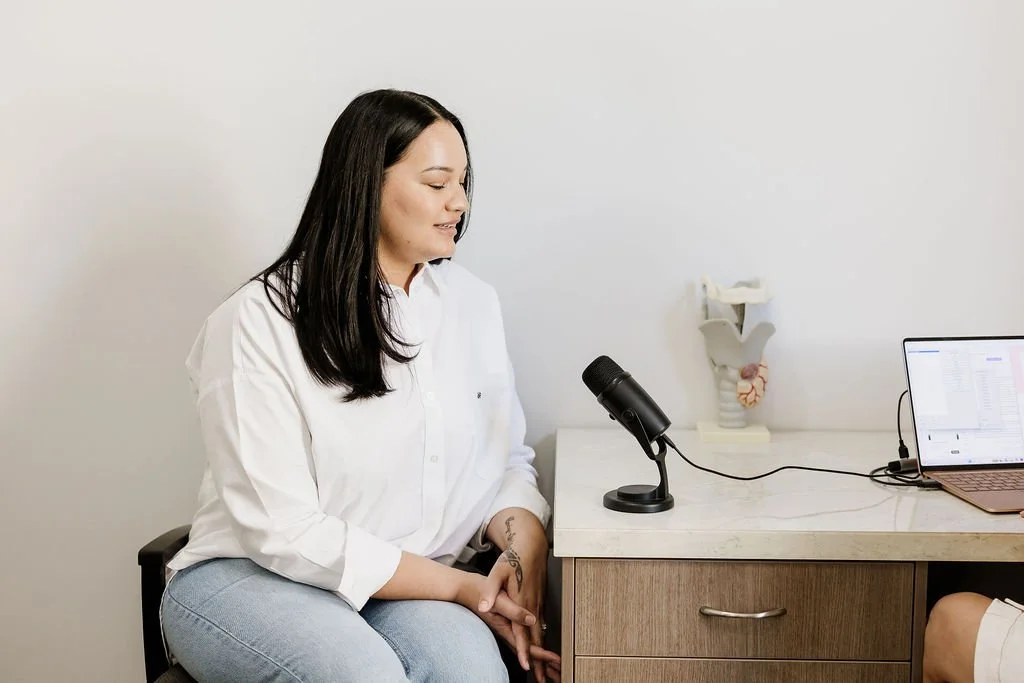
Symptoms of Dysphonia
hoarseness or a rough voice
vocal fatigue or reduced endurance
increased effort or discomfort when speaking
loss of vocal range or vocal control
voice breaks or inconsistency
reduced vocal volume
persistent throat clearing or throat discomfort
We provide comprehensive assessment and management for adults experiencing voice disorders associated with vocal fold pathology, neurological conditions, functional voice disorders, professional voice use, respiratory conditions, head and neck cancer, and voice changes following illness or surgery.
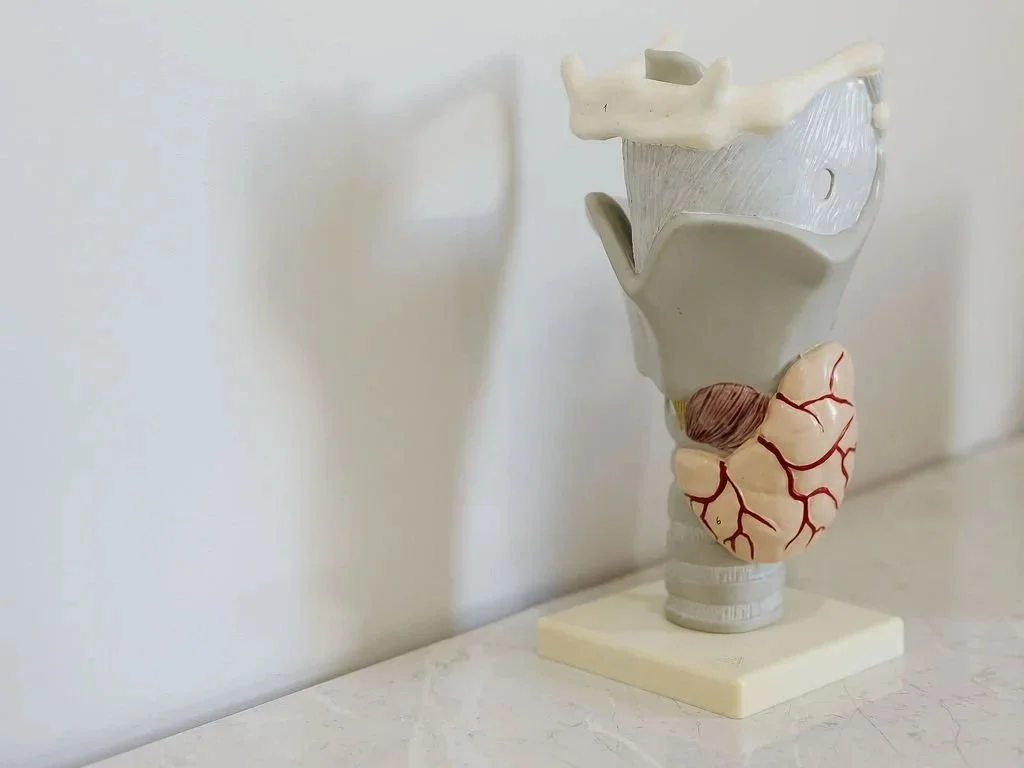
Assessment and Rehabilitation
Understanding why the voice is impaired is fundamental to providing effective management.
Assessment begins with a comprehensive voice evaluation, integrating your symptoms, medical history, vocal demands, and perceptual and acoustic assessment. Existing ENT findings and laryngeal imaging are incorporated where available.
When further evaluation of vocal fold function is required, we work collaboratively with ENT specialists to facilitate appropriate laryngeal imaging. Vivian also runs a multidisciplinary Voice Clinic with ENT surgeon Dr Travis Leahy at West Coast ENT, where videostroboscopy is available to provide detailed assessment of vocal fold structure and vibration when clinically indicated.
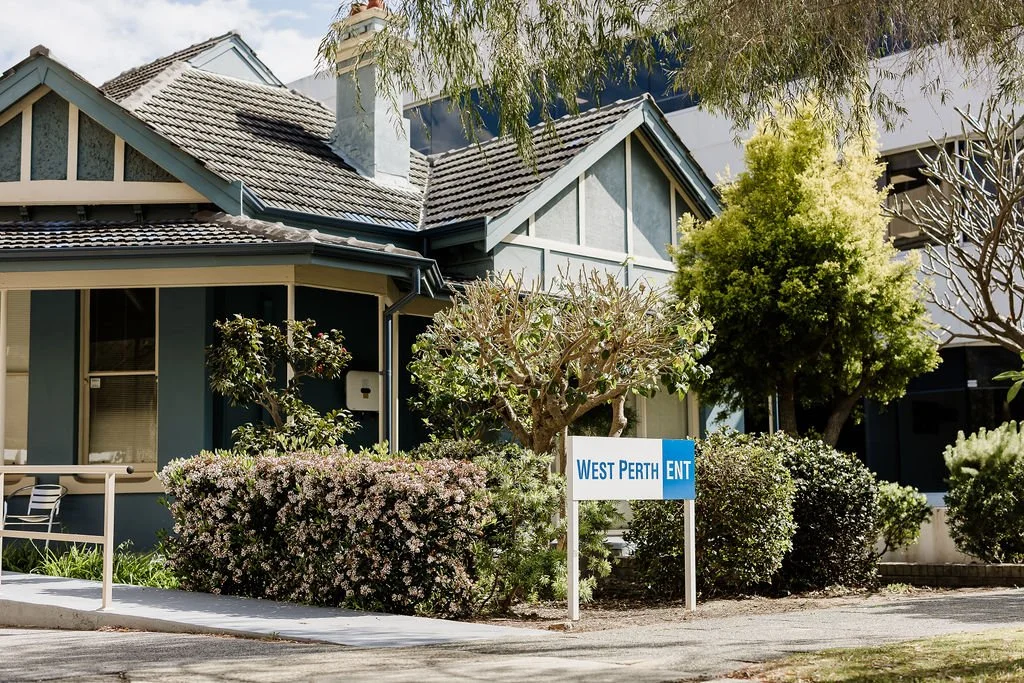
At our West Perth clinic, we can perform flexible nasendoscopy, allowing direct visualisation of the larynx during speaking and vocal tasks. This provides valuable real-time biofeedback during assessment and rehabilitation, helping patients better understand how their voice is being produced while guiding therapy.
The findings from clinical assessment and laryngeal imaging are integrated to develop voice rehabilitation programme. Therapy is guided by the underlying physiological findings, your vocal demands and your personal goals to support the best possible outcomes.
We work closely with your referring ENT specialist, general practitioner and other members of your healthcare team to ensure coordinated, evidence-informed care throughout your management.
Our aim is to optimise vocal function while helping you communicate with greater comfort, confidence and efficiency.